Transporting oversized equipment, machinery, construction materials, and industrial cargo requires careful planning. If a truck or its load exceeds the legal size or weight limits in a state, province, or territory, the carrier may need an oversize permit before starting the trip.
Getting an oversize permit can seem complicated, especially when a shipment travels through several jurisdictions. Every state in the USA and every province or territory in Canada can have different rules, fees, application procedures, route restrictions, and escort requirements.
The good news is that the process becomes easier when you know what information to prepare and which steps to follow.
This guide explains how to get an oversize permit in the USA and Canada, what documents you may need, how to plan your route, how much permits can cost, and when professional permit assistance can save time and reduce paperwork.
What Is an Oversize Permit?
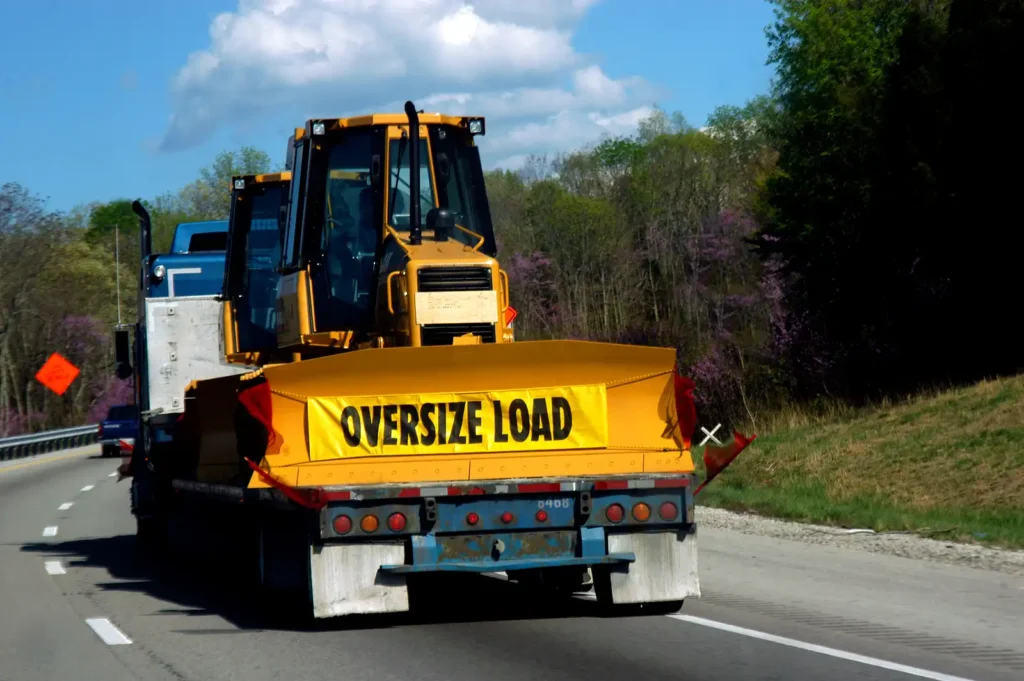
An oversize permit is a special authorization that allows a commercial vehicle to transport a load that exceeds the standard legal dimensions established by a transportation authority.
A vehicle or load may require an oversize permit because it exceeds the legal limit for:
- Width
- Height
- Length
- Weight
Oversize generally refers to dimensions, while overweight usually refers to weight. However, a shipment can be both oversized and overweight, and some jurisdictions issue permits that cover multiple restrictions.
The permit may also specify conditions that the carrier must follow, such as:
- Approved travel route
- Travel dates
- Permitted travel hours
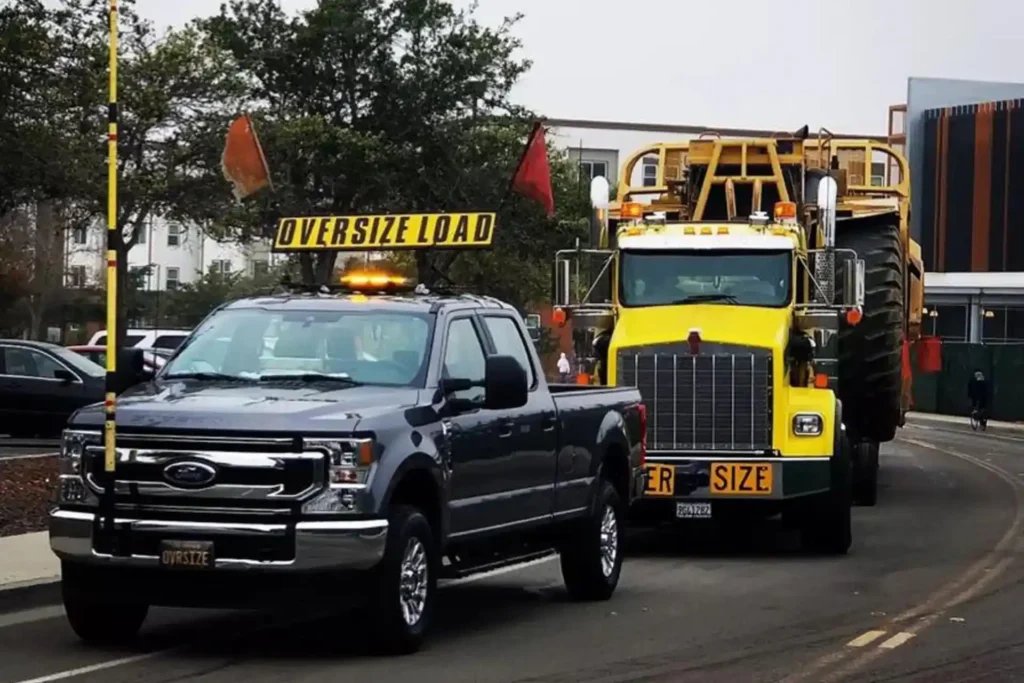
- Escort vehicles
- Warning signs
- Lighting
- Speed restrictions
- Other safety requirements
It is important to remember that an oversize permit does not provide unrestricted permission to travel anywhere. The carrier must comply with the conditions attached to the permit.
When Do You Need an Oversize Permit?
The first step in getting an oversize permit is determining whether you actually need one.
A permit may be required when your complete vehicle and load exceed the applicable legal limits in the jurisdiction where you will travel.
Common examples include:
Wide Loads
Large construction equipment, agricultural machinery, industrial tanks, and other cargo can make a truck wider than the normal legal limit.
Tall Loads
Large machinery or equipment may exceed legal height limits and create clearance concerns around bridges, tunnels, utility lines, and other infrastructure.
Long Loads
Long equipment and materials can create additional risks when turning, changing lanes, or traveling through intersections.
Heavy Loads
If the total vehicle or axle weight exceeds the legal limit, an overweight permit may also be required.
The exact thresholds are different across jurisdictions, so always check the rules for your specific route.
Step 1: Measure Your Truck and Load
Before applying for a permit, collect accurate information about the vehicle and cargo.
This is one of the most important steps because the permit application is based on the dimensions and weight you provide.
You may need to determine:
- Overall width
- Overall height
- Overall length
- Gross vehicle weight
- Individual axle weights
- Number of axles
- Axle spacing
- Trailer dimensions
- Load description
Measure the complete loaded vehicle, not just the cargo.
For example, if a machine is 10 feet wide but the trailer configuration adds additional width, the permit application needs to reflect the actual overall width of the loaded combination.
Incorrect measurements can result in an incorrect permit and may create problems during transportation.
Step 2: Determine Your Route
Once you know your truck and load dimensions, determine where the shipment will travel.
Write down:
- Starting location
- Destination
- States
- Provinces
- Territories
- Border crossings
- Major highways
- Any planned stops
This step is particularly important for interstate and interprovincial transportation.
A carrier traveling through three states may need to comply with the oversize permit requirements of all three. The same principle applies to a truck traveling through multiple Canadian provinces.
Do not assume that a permit from your starting jurisdiction automatically applies to the entire journey.
Step 3: Check the Requirements in Each Jurisdiction
After identifying your route, check the applicable requirements for every state, province, or territory.
Look for information about:
- Maximum legal dimensions
- Permit requirements
- Permit fees
- Weight restrictions
- Travel times
- Holiday restrictions
- Escort requirements
- Warning signs
- Lighting
- Route restrictions
This is where many trucking companies encounter problems. Requirements can change from one jurisdiction to another.
A load that does not require a permit in one area may require one immediately after crossing a state or provincial border.
Step 4: Gather the Required Documents
The next step is to prepare the information required for the application.
Depending on the jurisdiction and type of load, you may need:
- Carrier information
- Business information
- Vehicle registration
- Truck information
- Trailer information
- VIN
- Insurance information
- Load description
- Vehicle dimensions
- Load dimensions
- Gross vehicle weight
- Axle weights
- Axle spacing
- Origin
- Destination
- Travel dates
- Proposed route
Complex loads may require additional documents.
Having everything ready before starting the application can make the process much faster.
Step 5: Determine Whether the Load Is Divisible or Non-Divisible
Some jurisdictions distinguish between divisible and non-divisible loads.
A non-divisible load generally cannot reasonably be separated into smaller pieces to meet legal limits without affecting its intended use, value, or requiring substantial dismantling.
Examples may include:
- Large construction machinery
- Heavy industrial equipment
- Large generators
- Certain specialized machinery
This distinction can affect the type of permit available and the conditions attached to the movement.
Do not assume that a large shipment automatically qualifies as non-divisible. Check the applicable rules for the jurisdiction where you are applying.
Step 6: Plan a Safe and Permitted Route
Route planning is one of the most important parts of the oversize permit process.
A normal route may not be suitable for an oversized load.
Before submitting your application, consider potential obstacles such as:
- Low bridges
- Low tunnels
- Narrow roads
- Weak bridges
- Sharp turns
- Road construction
- Weight-restricted roads
- Toll facilities
- Restricted highways
- Utility infrastructure
A tall load needs adequate vertical clearance. A wide load needs sufficient lane and shoulder space. A heavy load may need to avoid bridges with weight restrictions.
Depending on the jurisdiction, the transportation authority may assign or approve a specific route.
Step 7: Apply for the Oversize Permit
Once your information is prepared, submit the application to the appropriate transportation authority.
In the USA, oversize and overweight movement permits are generally administered by individual states.
In Canada, permits are generally handled by the applicable province or territory.
The application normally asks for information about:
- Carrier
- Truck
- Trailer
- Cargo
- Dimensions
- Weight
- Route
- Origin
- Destination
- Travel dates
Many jurisdictions offer online permit systems.
However, complex loads may require additional review, supporting documents, route analysis, or other approvals.
Step 8: Pay the Required Permit Fee
Oversize permit fees vary considerably.
The cost may depend on:
- Jurisdiction
- Load size
- Load weight
- Travel distance
- Number of jurisdictions
- Permit duration
- Route
- Type of vehicle
- Special requirements
A simple single-trip permit may cost relatively little, while a complicated heavy-haul movement can involve substantially higher costs.
You should also consider additional transportation expenses such as:
- Pilot cars
- Police escorts
- Route surveys
- Engineering reviews
- Bridge analysis
- Special equipment
When creating your transportation budget, don’t look at the permit fee alone.
Step 9: Check for Escort Requirements
Not every oversized load requires an escort vehicle.
Escort requirements depend on the jurisdiction and the size and configuration of the load.
An escort may be required because of:
- Excessive width
- Excessive length
- Excessive height
- Traffic conditions
- Route characteristics
- Local regulations
Some movements may require one pilot car, while larger or more complicated loads can require multiple escorts.
If the permit requires an escort, arrange the appropriate vehicle before the shipment begins.
Do not assume an escort is optional simply because the load can physically travel without one. Follow the conditions listed on the permit.
Step 10: Review the Approved Permit
Receiving your permit is not the final step.
Before the truck starts moving, carefully review the entire document.
Check:
- Permit number
- Effective date
- Expiration date
- Vehicle information
- Load dimensions
- Weight limits
- Approved route
- Travel hours
- Escort requirements
- Sign requirements
- Lighting requirements
- Special conditions
If you notice incorrect information, contact the appropriate authority before starting the trip.
An incorrect permit may not protect the carrier if the actual vehicle or load does not match the approved information.
Step 11: Keep the Permit With the Truck
The driver should have access to the required permit documentation while transporting the oversized load.
Depending on the jurisdiction, the permit may need to be presented to enforcement officers upon request.
Keep all relevant documentation organized and make sure the driver understands the permit conditions.
For multi-jurisdiction trips, ensure the driver has the appropriate documentation for every jurisdiction.
How to Get an Oversize Permit in the USA
The process in the United States is primarily managed at the state level.
There is no single nationwide oversize movement permit that automatically authorizes a carrier to move an oversized load through every state.
If you are transporting an oversized load across several states, you should:
- Measure the complete vehicle and load.
- Identify every state on the route.
- Check each state’s requirements.
- Gather vehicle and carrier information.
- Plan the route.
- Apply for the required permits.
- Pay applicable fees.
- Arrange escorts if required.
- Review permit conditions.
- Carry the required documentation during the trip.
This is why multi-state oversize permit applications can require considerable administrative work.
How to Get an Oversize Permit in Canada
Canadian oversize transportation requirements are generally managed by provinces and territories.
The process is similar to the U.S. process, but the requirements can vary depending on where the vehicle is traveling.
A typical process includes:
- Measure the vehicle and cargo.
- Determine the complete route.
- Identify the provinces or territories involved.
- Check applicable size and weight rules.
- Prepare the required documents.
- Submit permit applications.
- Pay applicable fees.
- Arrange escorts if required.
- Review approved routes and conditions.
- Keep permits available during transportation.
Carriers moving between provinces should not assume that one provincial permit automatically covers the entire trip.
How Much Does an Oversize Permit Cost?
There is no universal price for an oversize permit.
Permit fees vary based on the jurisdiction and characteristics of the shipment.
Factors affecting cost may include:
- Load dimensions
- Vehicle weight
- Number of axles
- Travel distance
- Number of states or provinces
- Permit duration
- Route
- Special conditions
Additional expenses may include escort vehicles, route surveys, engineering studies, bridge evaluations, and other compliance services.
For this reason, it is better to determine the complete cost of the movement rather than focusing only on the basic permit application fee.
How Long Does It Take to Get an Oversize Permit?
Processing time depends on the jurisdiction and complexity of the load.
Some straightforward permits can be processed quickly, particularly when online systems are available.
More complicated movements can take longer if they require:
- Manual review
- Route approval
- Engineering analysis
- Bridge evaluation
- Special authorization
- Additional documentation
If your shipment has a fixed delivery deadline, start the permit process early.
Waiting until the day before transportation can create unnecessary delays.
Common Mistakes When Applying for an Oversize Permit
Incorrect Measurements
Incorrect dimensions can result in an inaccurate permit.
Forgetting a Jurisdiction
A multi-state or multi-province trip may require several permits.
Choosing the Wrong Route
The route listed on the permit may be mandatory.
Applying Too Late
Complex permits may require additional review.
Ignoring Permit Conditions
A permit may include specific travel times, signs, escorts, or route requirements.
Forgetting to Check Expiration Dates
Using an expired permit can create compliance problems.
Assuming Every Oversized Load Has the Same Requirements
Permit requirements depend on the actual dimensions, weight, route, and jurisdiction.
Why Use Professional Oversize Permit Services?
Managing permits yourself is possible, but it can become time-consuming when a shipment crosses multiple jurisdictions.
Professional oversize permit services can help with:
- Identifying required permits
- Reviewing load information
- Preparing applications
- Coordinating multi-state permits
- Coordinating Canadian provincial permits
- Checking route requirements
- Managing permit documents
- Reviewing permit conditions
- Helping reduce paperwork errors
For trucking companies that frequently move oversized loads, outsourcing permit administration can save valuable time.
Professional assistance can also be useful when a shipment has unusual dimensions, complicated routes, multiple jurisdictions, or strict delivery deadlines.
Frequently Asked Questions
Can I get an oversize permit online?
Many states and provinces provide online permit application systems. However, the exact process depends on the jurisdiction and type of movement.
Do I need a separate permit for every state?
If your load requires an oversize permit in multiple states, you may need separate permits from each applicable state.
Do I need an oversize permit in Canada?
You may need one if your vehicle or load exceeds the applicable provincial or territorial limits.
Is an oversize permit the same as an overweight permit?
No. Oversize generally concerns dimensions, while overweight concerns vehicle or axle weight. Some jurisdictions may combine the two.
Do oversized loads always need pilot cars?
No. Escort requirements depend on the load dimensions, route, and jurisdiction.
What information is needed to get an oversize permit?
You may need carrier details, vehicle information, load dimensions, weight, axle information, origin, destination, route, and travel dates.
Can I use the same permit for multiple trips?
Not necessarily. Some permits are issued for a specific trip, while others may have different validity periods. Always check the permit conditions.
What happens if I transport an oversized load without a permit?
You could face fines, delays, enforcement action, or other penalties. The truck may also be prevented from continuing until the required authorization is obtained.
Conclusion
Knowing how to get an oversize permit is essential for trucking companies that transport large machinery, construction equipment, industrial components, agricultural equipment, and other oversized cargo.
The process starts with accurate measurements and continues with route planning, jurisdiction research, documentation, application submission, fee payment, and careful review of the approved permit.
In the USA, oversize movement permits are generally handled by individual states. In Canada, requirements are generally managed by provinces and territories. This means carriers moving across multiple jurisdictions need to plan their permits for the entire route.
If your shipment involves several states or provinces, unusual dimensions, heavy equipment, or a strict delivery schedule, professional oversize permit assistance can make the process easier. Getting the right permits before the truck starts its journey can help reduce delays, avoid compliance problems, and keep your transportation operation moving smoothly.