
Transporting heavy cargo requires careful planning, especially when a truck or trailer exceeds the legal weight limits. Construction equipment, industrial machinery, agricultural equipment, steel products, and other heavy loads may require an overweight permit before they can travel on public roads.
If you are a truck owner, fleet manager, dispatcher, or heavy-haul operator, understanding how to get an overweight permit can help you avoid delays, penalties, and unexpected transportation costs.
The application process depends on the state or province where the truck will travel. In the United States, each state manages its own overweight permit requirements. In Canada, provinces and territories establish their own rules for vehicle weights, routes, and special permits.
This guide explains the steps to apply for an overweight permit, the documents you may need, how route approval works, and when professional overweight permit services can help.
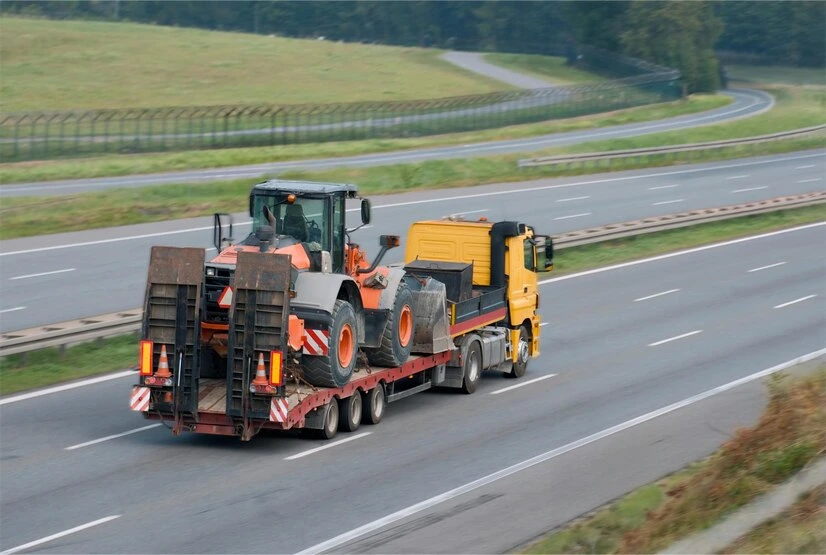
What Is an Overweight Permit?
An overweight permit is an authorization that allows an eligible vehicle or vehicle combination to travel with a weight that exceeds certain legal limits, subject to specific conditions.
These limits may relate to:
- Total gross vehicle weight
- Single-axle weight
- Tandem-axle or other axle-group weight
- Axle spacing and vehicle configuration
- Approved roads and bridges
- Travel dates and operating conditions
An overweight permit does not automatically allow a truck to exceed every weight restriction. The permit authority determines which movements can be approved and what conditions apply.
In the United States, the federal government does not issue general oversize and overweight permits for state road movements. Carriers must obtain the applicable authorization from the state or states responsible for the route.
In Canada, requirements are determined by the relevant provincial or territorial authority.
When Do You Need an Overweight Permit?
You may need an overweight permit when your truck, trailer, or cargo combination exceeds the applicable legal weight limits.
Common examples include:
- Transporting heavy construction machinery.
- Moving industrial equipment between facilities.
- Hauling large agricultural machines.
- Carrying heavy steel, concrete, or manufacturing components.
- Transporting specialized equipment that cannot be moved using a standard vehicle configuration.
- Operating a vehicle that exceeds an approved axle or gross-weight limit.
The exact requirements depend on the road, vehicle configuration, cargo, and jurisdiction.
For example, a truck may be within the permitted gross vehicle weight but still exceed an axle-group limit. In that situation, the carrier must check the applicable axle rules rather than relying only on the total weight.
Important: Do not assume that every load above the standard limit qualifies for a permit. Some jurisdictions restrict the types of loads or vehicles that can receive certain permits. Confirm eligibility with the relevant transportation authority before dispatching the truck.
How to Get an Overweight Permit in the USA and Canada
Follow these steps to prepare and submit an overweight permit application.
Step 1: Confirm the Legal Weight Limits
First, determine the legal weight limits that apply to your vehicle and planned route.
Check the rules for the state or province where the journey will begin. If the truck will cross state or provincial borders, review the requirements for every jurisdiction along the route.
You should identify:
- Maximum permitted gross vehicle weight
- Single-axle and axle-group limits
- Axle-spacing requirements
- Vehicle registration and configuration requirements
- Restrictions for the roads you plan to use
- Whether the load qualifies for the requested permit type
Federal Interstate weight limits in the United States generally include 80,000 pounds for gross vehicle weight, 20,000 pounds for a single axle, and 34,000 pounds for a tandem axle, subject to applicable exceptions and the federal bridge formula. These limits are not a substitute for checking state-specific requirements and permit conditions.
Step 2: Measure the Total Weight and Axle Loads
Accurate weight information is essential for a successful application.
Calculate the gross vehicle weight, which includes the power unit, trailer, and cargo. You should also determine the weight carried by each axle or axle group.
Collect details such as:
- Total vehicle and cargo weight
- Number of axles
- Axle spacing
- Tractor and trailer configuration
- Cargo description
- Vehicle registration details
Use reliable weight measurements and ensure that the figures match the actual vehicle configuration.
Incorrect weight information can lead to application delays, incorrect permits, or problems during enforcement inspections.
Step 3: Identify the Correct Permit Type
The next step is to determine which overweight permit is appropriate for your transportation needs.
Depending on the jurisdiction, available options may include the following.
Single-trip overweight permit: Generally used for one specific movement between an origin and destination.
Round-trip permit: Available in certain jurisdictions for qualifying journeys that return along an approved route.
Multi-trip permit: May allow repeated journeys between specified locations, subject to the permit conditions.
Annual overweight permit: Can be useful for businesses that regularly move qualifying loads. Annual permits often have limits on weight, vehicle type, routes, or cargo.
Special or superload permit: May be required for loads that exceed standard permit thresholds or need additional engineering and route review.
Not every jurisdiction offers all these options. Check the official permit system to confirm which types are available for your load.
Step 4: Prepare the Required Documents
Before submitting your application, gather the information required by the relevant permit authority.
Common requirements may include:
- Carrier or company details
- Contact information
- Vehicle registration details
- Tractor and trailer identification
- Gross vehicle weight
- Axle weights and spacing
- Cargo description
- Origin and destination
- Proposed travel route
- Requested travel date
- Supporting drawings or technical information for specialized loads
Some applications may require additional documents, such as vehicle inspection reports, engineering assessments, or route information.
For example, California’s transportation permit guidance describes eligibility requirements and notes that certain applications may need a vehicle inspection report or additional processing. Requirements depend on the application category.
Read the application instructions carefully before submitting the paperwork.
Step 5: Choose the Correct Route
Route planning is one of the most important parts of the overweight permit process.
A road that is suitable for a standard truck may not be appropriate for a heavier vehicle. Bridges, road surfaces, construction areas, restricted roads, and local weight limits can affect whether a route is approved.
When planning your route, consider:
- Bridge weight restrictions
- Road and axle-load limits
- Construction zones
- Road closures and seasonal restrictions
- Municipal or local road requirements
- Clearance restrictions where relevant
- Any special route conditions imposed by the permit authority
In some cases, the permit authority will review or assign the route. In others, the carrier must provide a suitable route for approval.
A state permit may not authorize travel on county, municipal, or township roads. Minnesota’s transportation department, for example, states that its permit is not valid on certain local roads. Additional authorization may therefore be necessary.
Step 6: Submit the Overweight Permit Application
Once the vehicle details, weight information, documents, and route are ready, submit the application through the appropriate authority.
In the USA, many states provide online permit systems. Other application options may be available depending on the state and permit type.
For example, Arizona offers several ways to obtain eligible permits, including online applications and authorized permit services. Its Class A permit program also has specific eligibility and weight limits.
In Canada, applications are generally handled by the relevant provincial or territorial authority.
In Ontario, many annual, enhanced annual, and single-trip permit applications can be submitted and paid for through the PRIO online permitting system. Certain specialized permit applications follow separate instructions.
Always use the correct application process for the jurisdiction and permit type.
Step 7: Pay the Applicable Permit Fees
After preparing the application, review the applicable fees and payment instructions.
Overweight permit costs vary by jurisdiction and may depend on the following:
- Type of permit
- Gross vehicle weight
- Axle configuration
- Travel distance
- Permit duration
- Special engineering or route requirements
Additional service fees may apply if you hire a permit provider to manage the application.
Request a clear breakdown of government fees and service charges before paying. This makes it easier to budget for the shipment and identify any additional requirements.
Step 8: Wait for Approval
Submitting an application does not mean the permit has been approved.
The authority may need to review the vehicle configuration, route, weight information, supporting documents, or bridge requirements before issuing the permit.
Straightforward applications may be processed more quickly than complex heavy-haul movements. Superloads and specialized vehicles can require additional review.
Apply as early as possible and confirm the expected processing time with the issuing authority.
Do not begin the movement until the required permit has been issued and its conditions have been reviewed.
Step 9: Review the Permit Before Travel
After receiving approval, check every detail before dispatch.
Confirm that the permit matches:
- The correct truck and trailer
- The approved gross vehicle and axle weights
- The intended cargo
- The origin and destination
- The authorized route
- The travel dates and times
- Any escort or operating conditions
Keep the permit available in the form required by the jurisdiction. Make sure the driver understands the route and all permit restrictions.
If the vehicle, cargo, travel date, or route changes, contact the issuing authority to determine whether an amendment or a new permit is needed.
How to Get an Overweight Permit in the USA
The United States does not have one general state-issued overweight permit that covers every road in the country.
To apply successfully, identify each state on the route and follow its specific requirements.
Check Each State’s Rules
Visit the relevant state Department of Transportation or commercial vehicle permit website. Review the weight limits, application process, fee schedule, and permit categories.
Some states offer online self-service applications. Others require additional information or manual review for certain loads.
Confirm Whether the Load Qualifies
Certain permit categories have eligibility restrictions. For example, some programs are limited to non-reducible loads, while others may allow specified divisible loads under particular state or federal authority.
Do not assume that a load qualifies simply because it exceeds the standard weight limit.
Apply for Every Required State Permit
If the route crosses several states, determine which permits are required in each jurisdiction. Check whether local roads require separate permission.
For complicated movements, a professional overweight permit service can help coordinate the applications and identify route-specific requirements.
How to Get an Overweight Permit in Canada
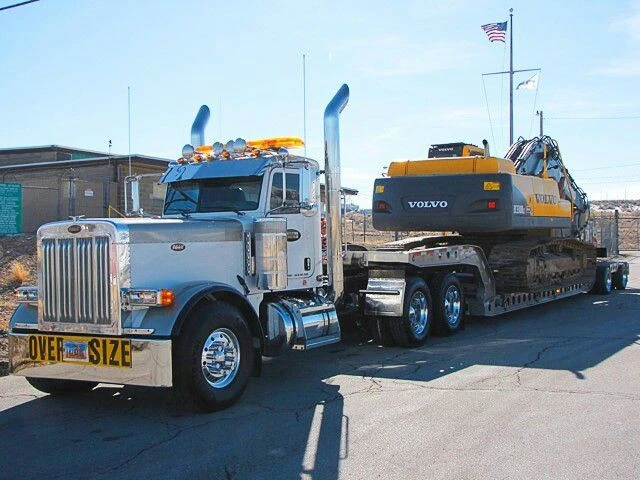
In Canada, overweight permit requirements vary by province and territory. A carrier must follow the rules that apply to the roads used for the shipment.
Identify the Province or Territory
Determine which authority manages the roads on your route. Review its vehicle weight rules, permit types, and application instructions.
Prepare Vehicle and Cargo Information
Have the gross vehicle weight, axle weights, vehicle configuration, cargo description, and route details ready.
Specialized movements may require additional technical information or supporting documents.
Apply Through the Provincial System
Follow the instructions provided by the relevant transportation authority. In Ontario, many applications are handled online through PRIO, while some special permit types have separate procedures.
If the trip crosses multiple provinces, verify the requirements in each one before arranging the movement.
How Much Does an Overweight Permit Cost?
There is no single overweight permit fee for the USA and Canada. Costs depend on the jurisdiction, weight category, permit duration, route, and any additional requirements.
For example, Arizona lists a $75 fee for its Class A oversize/overweight single-trip permit category, while Ontario uses different fees for qualifying overweight permits based partly on the permit category and travel distance. These are jurisdiction-specific examples, not universal prices.
Your total budget may also include:
- Government application fees
- Professional permit service charges
- Route surveys
- Engineering or bridge assessments
- Required escort vehicles
- Local road permits
For an accurate estimate, provide complete vehicle, load, and route information before requesting a quote.
Common Mistakes to Avoid When Applying
Even a simple application can be delayed if important details are missing.
Avoid these common mistakes:
Providing incorrect weight details: Make sure gross weight and axle weights are accurate.
Choosing the wrong permit: Check the conditions for single-trip, multi-trip, annual, and special permits.
Ignoring route restrictions: A route may include roads or bridges that cannot accommodate the planned load.
Forgetting other jurisdictions: A permit from one state or province may not cover the entire journey.
Submitting incomplete documents: Check the application instructions and provide all required supporting information.
Applying too late: Allow enough time for route review and special approvals.
Traveling before approval: Wait until the permit is issued and confirm that it covers the intended movement.
Avoiding these mistakes can help reduce delays and unnecessary expenses.
Why Use an Overweight Permit Service?
Managing overweight permits can take time, particularly when a truck must travel through several states or provinces.
A professional overweight permit service can help you understand permit requirements, prepare application information, coordinate route details, track applications, and identify potential documentation issues.
This support may be useful for trucking companies, owner-operators, construction businesses, equipment transporters, and heavy-haul carriers.
Before choosing a provider, ask about its experience with your route, what its service fee includes, and whether additional government or route-related charges may apply.
A permit service can assist with the process, but the carrier must still comply with the issued permit and applicable transportation laws.
Overweight Permit Application Checklist
Use this checklist before submitting your application.
- Confirm the legal weight limits for the route.
- Calculate gross vehicle weight and axle weights.
- Record tractor, trailer, and vehicle configuration details.
- Prepare an accurate cargo description.
- Identify the origin, destination, and proposed route.
- Select the correct permit type.
- Gather registration and supporting documents.
- Check fees and expected processing times.
- Submit the application to the correct authority.
- Obtain and review the approved permit.
- Make sure the driver understands the permit conditions.
Frequently Asked Questions
1. Can I apply for an overweight permit online?
Yes, many states and provinces offer online application systems. Availability depends on the jurisdiction and permit category. Some specialized movements may require additional documents or a different application procedure.
2. How long does it take to get an overweight permit?
Processing time varies by location and complexity. Standard applications may be processed faster than superloads or movements requiring route and engineering reviews. Confirm the expected timeline with the issuing authority before scheduling your shipment.
3. What information is needed for an overweight permit?
Common requirements include vehicle registration details, gross vehicle weight, axle configuration, cargo description, origin, destination, proposed route, and travel dates. Some applications require technical documents or other supporting information.
4. Do I need a separate permit for each state?
You may need separate permits for each state on your route. Check the rules of every jurisdiction and confirm whether additional local road permissions are necessary.
5. Can I get an annual overweight permit?
Some jurisdictions offer annual or multi-trip permits for qualifying vehicles and loads. These permits have specific limits and conditions, so confirm that your planned operations qualify before applying.
6. What happens if I travel without the required permit?
Traveling without a required permit can result in fines, delays, enforcement action, or other penalties. It can also disrupt delivery schedules. Confirm that the required authorization has been issued before the trip begins.
7. Can a permit service apply on my behalf?
In many jurisdictions, carriers can use an authorized permit service to help prepare and submit applications. The available options depend on the local permitting system. Confirm the provider’s scope of service and any additional charges before proceeding.
Conclusion
Getting an overweight permit in the USA or Canada starts with understanding the legal weight limits and the rules of the jurisdiction where the truck will travel. You must confirm vehicle and axle weights, choose the correct permit type, prepare the required documents, plan an acceptable route, submit the application, and wait for approval.
Because each state and province has its own requirements, there is no single application process or fee that applies everywhere. Accurate information and early planning can help prevent delays and keep your heavy-haul shipment on schedule.
If you need help arranging an overweight permit, a professional permit service can assist with application preparation