
The trucking industry plays a vital role in transporting goods across cities, states, provinces, and international borders. Whether you operate a single commercial truck or manage an entire fleet, understanding what truck permits are is essential for staying compliant with transportation laws and avoiding costly penalties.
Truck permits are legal documents issued by government agencies that allow commercial vehicles to operate under specific conditions. Depending on the type of cargo, vehicle weight, travel route, or destination, a trucking company may need one permit or several different permits before beginning a trip.
In both the United States and Canada, commercial trucking regulations are designed to improve road safety, protect public infrastructure, and ensure fair transportation practices. Failing to obtain the required permits can result in fines, delays, vehicle impoundment, or even suspension of operations.
This guide explains everything you need to know about truck permits, including their purpose, different permit types, who needs them, and why they are important for commercial transportation.
What Are Truck Permits?
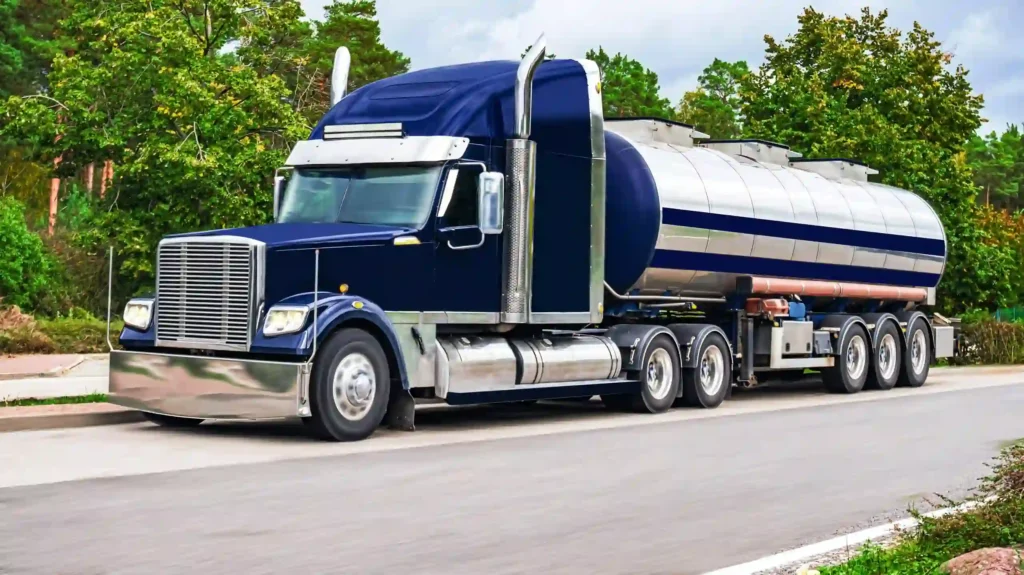
Truck permits are official authorizations that allow commercial vehicles to legally operate on public roads under certain conditions. They are issued by federal, state, provincial, territorial, or municipal authorities depending on the type of permit required.
Some permits allow trucks to travel through specific states or provinces, while others authorize oversized loads, overweight vehicles, temporary trips, fuel tax compliance, or specialized transportation services.
Rather than being a single document, “truck permits” is a broad term that covers many different types of operating permits required throughout the trucking industry.
Why Are Truck Permits Important?
Truck permits help government agencies regulate commercial transportation while ensuring public safety and protecting highways and bridges.
They serve several important purposes:
- Ensure commercial vehicles meet legal requirements
- Protect roads and bridges from excessive wear
- Improve highway safety
- Monitor commercial transportation activities
- Verify compliance with transportation regulations
- Support fair taxation for road maintenance
- Help law enforcement identify authorized carriers
Without proper permits, commercial vehicles may not legally operate in certain jurisdictions.
Who Needs Truck Permits?
Truck permits are required by many types of commercial vehicle operators.
Businesses that commonly need permits include:
- Owner-operators
- Freight carriers
- Logistics companies
- Transportation businesses
- Heavy haul companies
- Construction equipment transporters
- Agricultural carriers
- Flatbed trucking companies
- Refrigerated freight carriers
- Cross-border trucking companies
Even businesses making occasional interstate or interprovincial trips may need temporary permits before operating.
Types of Truck Permits
There are many different permits available depending on your vehicle, cargo, and operating area.
Below are some of the most common truck permits used in North America.
IRP (International Registration Plan)
The International Registration Plan (IRP) allows commercial vehicles to travel across participating U.S. states and Canadian provinces using apportioned registration fees.
Instead of registering separately in every jurisdiction, carriers register through their base jurisdiction and pay fees based on where they operate.
IRP registration is commonly required for:
- Interstate trucking
- Interprovincial trucking
- Multi-jurisdiction fleets
- Heavy commercial vehicles
IFTA (International Fuel Tax Agreement)
IFTA simplifies fuel tax reporting for motor carriers operating in multiple jurisdictions.
Instead of filing fuel taxes separately in every state or province, carriers submit one fuel tax report through their base jurisdiction.
IFTA generally applies to commercial vehicles that meet certain weight or axle requirements and travel between participating jurisdictions.
Oversize Permits
Oversize permits are required when a commercial vehicle exceeds legal size limits.
These permits may be necessary if the load exceeds limits for:
- Width
- Height
- Length
- Combination vehicle dimensions
Oversize permits help transportation authorities ensure large loads travel safely without damaging roads or infrastructure.
Overweight Permits
Commercial vehicles carrying loads above legal weight limits usually require overweight permits.
Weight restrictions protect:
- Highways
- Bridges
- Road surfaces
- Public infrastructure
Permit conditions often specify approved travel routes and operating times.
Trip Permits
Trip permits provide temporary operating authority for commercial vehicles that do not have permanent registration in a specific jurisdiction.
These permits are commonly used for:
- One-time deliveries
- Temporary operations
- Newly purchased vehicles
- Occasional interstate travel
Trip permits are often valid for only a limited number of days.
Fuel Permits
Fuel permits allow commercial carriers to comply with fuel tax requirements when traveling in jurisdictions where permanent fuel tax credentials are not available or applicable.
They are commonly used for temporary operations and short-term travel.
Temporary Registration Permits
Temporary registration permits allow commercial vehicles to operate legally while permanent registration is being processed.
These permits are useful for:
- Newly purchased trucks
- Fleet additions
- Temporary commercial operations
Truck Permits in the United States
Commercial trucking in the United States is regulated through a combination of federal and state agencies. Depending on the type of operation, carriers may need permits issued by multiple jurisdictions.
Common U.S. truck permits include:
- IRP Registration
- IFTA License and Decals
- Oversize Load Permits
- Overweight Permits
- Temporary Trip Permits
- Fuel Permits
- Highway Use Tax permits (where applicable)
- State-specific operating permits
Requirements vary by state, and carriers operating across state lines often need additional credentials beyond standard vehicle registration.
Truck Permits in Canada
Commercial trucking operations in Canada are regulated by provincial, territorial, and federal authorities. Carriers traveling between provinces or crossing the U.S.–Canada border may need multiple permits depending on their routes and vehicle type.
Common Canadian trucking permits include:
- IRP Registration
- IFTA Licensing
- Oversize and Overweight Permits
- Provincial Temporary Permits
- Fuel Tax Credentials
- Special Transportation Permits
Each province may have its own application procedures, fee schedules, and operating requirements.
What Determines Which Truck Permits You Need?
The permits required for your business depend on several factors, including:
- Vehicle weight
- Number of axles
- Vehicle dimensions
- Type of cargo
- Travel distance
- States or provinces visited
- Frequency of travel
- Cross-border operations
- Business structure
Understanding these factors before starting operations can help carriers remain compliant and avoid unnecessary delays.
How to Get Truck Permits
Applying for truck permits may seem complicated at first, but following a step-by-step process can make it much easier. Since every state, province, or territory has its own regulations, it’s important to verify the specific requirements before submitting an application.
1. Determine Your Permit Requirements
Start by identifying the permits your business needs based on:
- Vehicle weight
- Vehicle dimensions
- Cargo type
- Operating area
- Travel frequency
- Interstate or interprovincial routes
- Cross-border transportation
Understanding your operating requirements helps prevent delays and unnecessary permit applications.
2. Prepare the Required Documents
Most permit applications require supporting documents. While requirements vary, you may need:
- Commercial vehicle registration
- Proof of insurance
- Vehicle Identification Number (VIN)
- USDOT or provincial registration (where applicable)
- Business information
- Carrier details
- Vehicle specifications
Keeping these documents organized can speed up the application process.
3. Submit Your Application
Applications may be submitted online, by email, or through the appropriate transportation authority, depending on the jurisdiction.
Some permits are issued within hours, while others may require several business days for approval.
4. Pay the Required Fees
Most truck permits involve application or processing fees. The amount depends on factors such as:
- Permit type
- Vehicle size
- Vehicle weight
- Distance traveled
- Jurisdiction
- Permit duration
Always confirm the current fee schedule before applying.
5. Keep Your Permits Updated
Many trucking permits require periodic renewal.
Maintain a schedule for:
- Renewal dates
- Annual registrations
- Fuel tax reporting
- Vehicle inspections
- Compliance updates
Missing a renewal deadline can lead to fines, delays, or interruptions in your operations.
How Much Do Truck Permits Cost?
There is no fixed cost for truck permits because pricing varies by permit type and jurisdiction.
Below is a general overview of common trucking permit costs.
| Permit Type | Typical Cost Range |
| Trip Permit | $20–$100+ |
| Fuel Permit | $20–$80+ |
| Oversize Permit | $25–$300+ |
| Overweight Permit | Varies by weight and route |
| IRP Registration | Based on fleet size and jurisdictions |
| IFTA License | Often low-cost or included with registration in many jurisdictions |
Additional fees may apply for escort vehicles, route surveys, bridge analysis, or emergency processing for specialized loads.
Benefits of Having the Correct Truck Permits
Maintaining the proper permits offers more than just legal compliance.

Stay Compliant
Operating with valid permits helps you meet transportation regulations and reduces the risk of violations.
Avoid Costly Penalties
Missing or incorrect permits can result in:
- Fines
- Delayed shipments
- Vehicle impoundment
- Permit suspensions
- Increased operating costs
Build Customer Trust
Businesses that operate legally demonstrate professionalism and reliability, helping build confidence with customers and business partners.
Support Efficient Operations
Having permits ready before a trip minimizes delays at checkpoints and helps keep deliveries on schedule.
Expand Your Service Area
Many permits allow carriers to operate across multiple states or provinces, opening opportunities for new routes and customers.
Common Mistakes Trucking Companies Should Avoid
Even experienced carriers can encounter compliance issues. Here are some common mistakes to avoid:
- Applying for the wrong permit type
- Operating with expired permits
- Ignoring state or provincial regulations
- Failing to renew registrations on time
- Underestimating vehicle weight or dimensions
- Using incorrect vehicle information on applications
- Assuming one permit is valid in every jurisdiction
- Waiting until the last minute to apply
Avoiding these mistakes can help reduce delays and unexpected costs.
Tips for Managing Truck Permits Efficiently
Keeping permits organized is essential for smooth business operations.
Here are a few best practices:
- Maintain digital copies of all permits
- Track renewal deadlines with reminders
- Review regulatory changes regularly
- Verify permit requirements before each trip
- Keep vehicle records up to date
- Plan ahead for oversized or overweight loads
- Work with knowledgeable permit professionals when handling complex applications
A proactive approach can save time and reduce administrative burdens.
Frequently Asked Questions
What are truck permits?
Truck permits are official authorizations that allow commercial vehicles to operate legally under specific conditions, such as interstate travel, oversized loads, overweight vehicles, or temporary operations.
Who needs truck permits?
Owner-operators, trucking companies, freight carriers, logistics providers, and businesses transporting goods across different jurisdictions may require one or more truck permits.
Are truck permits required in both the USA and Canada?
Yes. Commercial vehicles operating in the United States or Canada must comply with the permit requirements established by the relevant federal, state, provincial, or territorial authorities.
How long does it take to get a truck permit?
Processing times vary depending on the permit type and issuing authority. Some temporary permits can be issued quickly, while others may take several business days.
Can one permit cover every state or province?
No. Many permits are jurisdiction-specific, while others—such as IRP and IFTA—help simplify operations across participating jurisdictions. Carriers should always verify the requirements for every route they travel.
Conclusion
Understanding what truck permits are is essential for anyone involved in commercial transportation in the United States or Canada. These permits help ensure legal compliance, protect public infrastructure, and support safe and efficient trucking operations.
The exact permits your business needs depend on factors such as vehicle size, weight, cargo, and operating routes. Whether you’re starting a new trucking business, expanding into new regions, or transporting specialized loads, obtaining the correct permits before hitting the road can help you avoid delays, penalties, and unnecessary expenses.
Staying informed about permit requirements, renewing credentials on time, and planning ahead for each trip will help keep your trucking operations running smoothly while allowing you to focus on serving your customers and growing your business.